
How Laundromats Work in Small Towns vs Big Cities
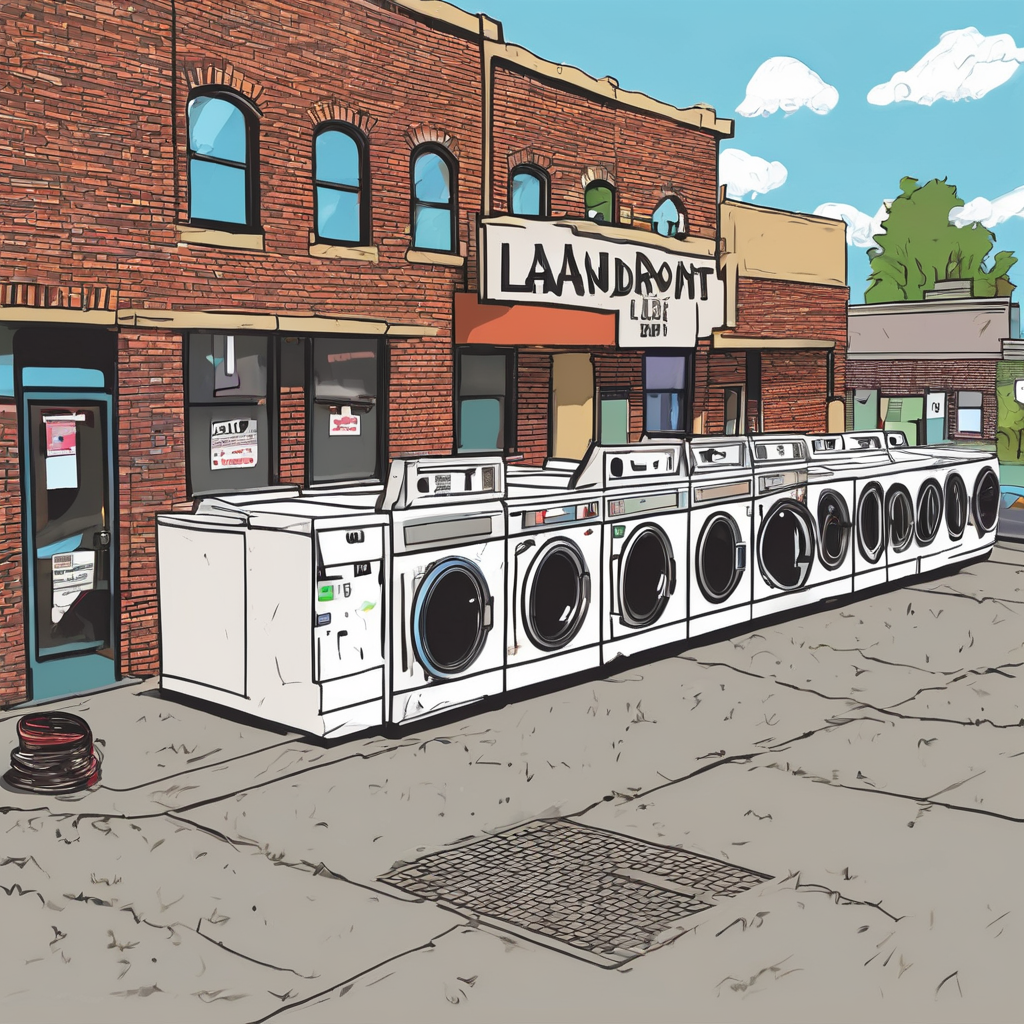
Laundry matters a lot, no matter where you live—but surprisingly, the way laundromats operate can be very different depending on the size of the town.
In small towns versus big cities, laundromats adapt their services, pricing, technology, and even operating hours based on community needs.
Understanding these differences helps make smart decisions, whether you're looking to open a laundry business or just curious about how things work.
Community Impact and Customer Behavior
In a small town, laundromats are often woven into the rhythm of daily life.
People know each other, and that familiarity translates into strong customer loyalty.
Laundromat owners might greet customers by name, offer a cup of coffee, or know exactly which machine someone prefers.
In contrast, urban laundromats cater to a more transient customer base in constant motion.
People are looking for speed, convenience, and anonymity.
This distinction influences everything from layout to marketing strategies.
Operating Hours & Staffing
Big-city laundromats often stay open 24/7 or at least late into the evening.
Why?
The demand never stops—especially in neighborhoods where people work late or follow non-traditional schedules.
In small towns, however, laundromats may open at 7 a.m. and close at 9 p.m., aligning with the town’s rhythm.
Staffing is also different.
Small-town laundries may have one familiar face at the counter all day.
In cities, shifts rotate among multiple attendants—or sometimes, there are no attendants at all, relying merely on automation.
Business Models and Revenue Sources
Revenue strategies differ dramatically depending on population and customer habits.
Big-city laundromats tend to thrive on high volume and quick turnover.
To keep up with the demand, they invest in rows of industrial machines and self-service kiosks.
In small towns, there's more focus on building long-term relationships.
Owners might offer services beyond washing, like dry cleaning pickup, tailoring, or specialty stain removal.
Popular Services by Location
- Urban Centers: wash-and-fold, pickup and delivery, app-based tracking
- Small Towns: dependable self-service, bulk family laundry, personal interactions
Some small-town laundromats even offer extended "tab systems" for regulars who pay weekly or monthly.
That level of trust is hard to find in major metro areas.
Technology and Payment Options
Modern laundromats depend heavily on seamless payment processes and machine efficiency.
In big cities, you’ll often find machines accepting credit/debit cards, loyalty apps, and even Bitcoin.
Digital kiosks allow customers to manage wash cycles through a mobile phone.
In small towns, however, the coin-based system is still surprisingly resilient.
Many users prefer the tangible feel of quarters, and owners tend to invest more in mechanical reliability than flashy updates.
Technology adoption moves slower—even when owners want to upgrade, affordability and customer readiness shape decisions.
Why Coins Still Matter in Small Towns
One laundromat owner in rural Missouri shared how switching to card-only systems lost her five regular clients.
“They told me it just didn’t feel right,” she recalled. “They liked counting out their change and knowing what they spent.”
The emotional comfort of routine matters enormously at the community level.
Footprint and Real Estate Considerations
Space plays a major role in how laundromats are designed in each location type.
In big cities, space is at a premium.
This means laundromats are often compact, tightly designed, and located within multi-unit buildings or shared commercial zones.
Stacked dryers, narrow aisles, and limited folding areas are common.
Meanwhile, small-town laundromats sprawl.
A standalone location with dedicated parking is normal.
There's often a seating area, children's space, and sometimes even snack machines or book exchanges.
It becomes a place people don’t just use—but spend time in.
Anecdote: One Owner, Two Locations
Stacey P, a laundromat entrepreneur, runs two locations: one in suburban Dallas and one in a small town outside Amarillo.
She says the difference in setup changed everything:
“In Dallas, my machines work 18 hours a day. It's non-stop. We even had to add a second changer machine because lines were forming,” she explains.
But in the Amarillo outskirts, the focus is entirely different.
“It’s slower-paced. I put in a play area for families with kids. People hang out and chat. It’s more relaxed,” she says.
Interestingly, while the Dallas location earns more in revenue, the Amarillo shop has lower overhead and a tighter client base.
“I can almost predict who’ll walk through the door each day out there. That kind of predictability makes planning easier,” she adds.
Her strategy is to optimize location benefits, not force a one-size model.
Customer Expectations and Preferences
Urban customers may prioritize speed, availability, and convenience.
They’re usually in and out within the hour, carrying laundry in lightweight backpacks or rolling carts.
They prefer efficient dryers, minimal wait times, and multi-tasking options like working remotely while waiting.
In small towns, people often bring in heavier loads, including comforters, work uniforms, and weekly piles.
The expectation isn’t speed, but quality and trust.
Different Satisfaction Metrics
- City Users: Speed of machines, short wait times, digital access
- Town Users: Friendly service, cleanliness, machine reliability
One urban chain added espresso machines and charging stations to attract a tech-savvy audience.
Meanwhile, a small-town shop added a bulletin board highlighting community events and babysitting offers.
Frequently Asked Questions
Do laundromats make more money in cities?
Typically yes, due to higher volume, diverse customers, and 24-hour operation capabilities.
Are small-town laundromats easier to manage?
They tend to be simpler with fewer employees, more loyal customers, and predictable routines.
Why aren’t there more app-based systems in rural laundromats?
Because customers might not be comfortable with them or lack consistent technology access.
Are laundromats in small towns open 24/7?
Rarely, since customer demand usually decreases significantly at night.
Which type of laundromat is better for starting a business?
It depends on your investment capacity, market analysis, and operational strengths.
Service Add-ons and Community Adaptation
Another big difference is in what value-added services emerge over time.
In urban areas, things like subscription laundry services, express ironing, and even eco-friendly detergents are common.
Small towns adapt by offering sewing services, hunting gear washing, or even pick-up at town centers every Wednesday.
They craft offerings around what the community truly needs, not trends.
Examples of Custom Services by Region
- Portland, OR – organic detergent-only laundromats
- Midwest towns – discount days after school sports events
- Downtown Miami – valet laundry return for apartment towers
- Appalachian towns – fur coat preservation and seasonal storage
These examples show how listening to the client base creates better outcomes than blindly copying national chains.
Laundry needs are personal and local—even when systems and machines look largely the same.
That local tuning is what successful laundromats master.
In summary, whether managing a laundromat in a bustling downtown or a quiet crossroad in Iowa, success comes not just from clean fabrics—but from understanding people.
Location shapes habits, and habits shape businesses.
Each setting offers unique challenges and beautiful opportunities when approached with attention to detail and community insight.
Browse laundromats by state and city to find a convenient option nearby.
Leave a Reply
Relacionado