
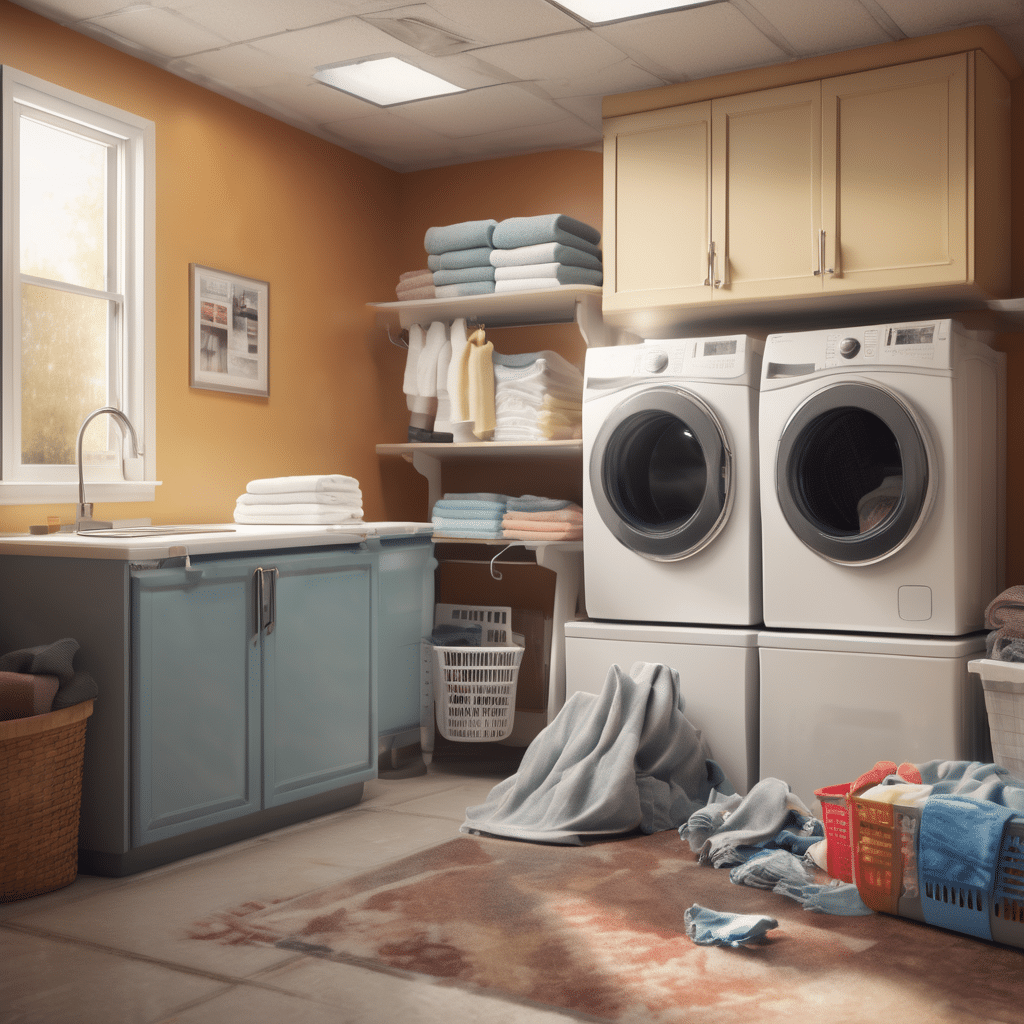
Washing laundry after a household illness is crucial to ensure the well-being of everyone at home.
Understanding the Importance of Proper Laundry Care
Dealing with a household illness can be a trying time, but it's essential to maintain a hygienic environment.
To compare clean, well-reviewed local locations, browse coin laundromats in the directory.
Proper laundry care is a key element in preventing the spread of germs and viruses.
During an illness, clothes, bed linens, and towels can become contaminated.
Without the right washing methods, these items may harbor harmful pathogens.
Taking the right steps can help you protect your family from getting sick again.
Steps to Clean and Disinfect Laundry
You'll want to start by sorting the laundry as you normally would, but pay extra attention to items used by the sick person.
For related hygiene and contamination guidance, see wash clothes after a flood at a laundromat and clothes sometimes smell worse after using a laundromat.
- Put all contaminated laundry in a separate basket or hamper.
- Avoid shaking out dirty clothes to minimize the spread of germs.
Now that you’re ready to wash the laundry, consider using hot water.
The hot water setting on your washing machine is often more effective at killing bacteria and viruses.
Selecting the Right Detergent and Additives
Modern detergents have disinfecting properties, but combining them with a bleach or sanitizer can enhance the effect.
Make sure to read the labels to ensure these additives are safe for different types of fabrics.
Using the recommended amount is crucial for achieving optimal cleanliness.
Drying Techniques for Maximum Disinfection
Once the washing cycle is complete, the drying process becomes equally significant.
Consider using a dryer, as the high heat level can help kill remaining pathogens.
Ensure all items are thoroughly dried before storing or using again.
Additional Tips and Considerations
It's important to always wash your hands after handling dirty laundry.
This simple step can prevent you from transferring germs to other surfaces in your home.
You might wonder about adding essential oils for added disinfection.
While they might have antibacterial properties, essential oils are not a replacement for bleach or detergents.
Consider them as an extra touch, but not as your primary disinfectant.
Data: The Impact of Poor Laundry Practices
Recent studies have shown startling figures about the risks of improper laundry practices.
In some cases, pathogens survived several wash cycles if the measures were not adequate.
This emphasizes the role of hot water and bleach in achieving a higher disinfection level.
Households that practiced thorough laundry hygiene had fewer recurrences of infections.
These findings should encourage you to take each step seriously when washing laundry after an illness.
Common Misconceptions and FAQs
Misconceptions about laundry hygiene abound, especially regarding illnesses.
One common myth is that detergents alone are sufficient for disinfection.
- In reality, combining detergents with hot water and bleach is much more effective.
- Another misconception is that sunlight is enough to disinfect clothes.
While sunlight has some disinfection properties, it's not as dependable as other methods.
Now, let's dive into some frequent questions:
Does adding vinegar help kill germs?
While vinegar is a popular alternative cleaner, it doesn’t offer the same level of disinfection as bleach.
Think of it as a complement, rather than a substitute.
What about air-drying?
Air-drying outdoors can help, but it’s not as effective as a dryer in eliminating germs.
The sun can kill some bacteria, but the heat from a dryer does a more complete job.
In addition, timely drying after the wash prevents further contamination from airborne particles.
In summary, the process of washing laundry after a household illness involves multiple steps from sorting to drying.
Each part of the process plays a role in ensuring that germs and viruses are effectively removed.
By paying attention to details like water temperature and detergent selection, you can create a healthier environment in your home.
Leave a Reply
Related