
Why Laundromats Are Common in Urban Areas
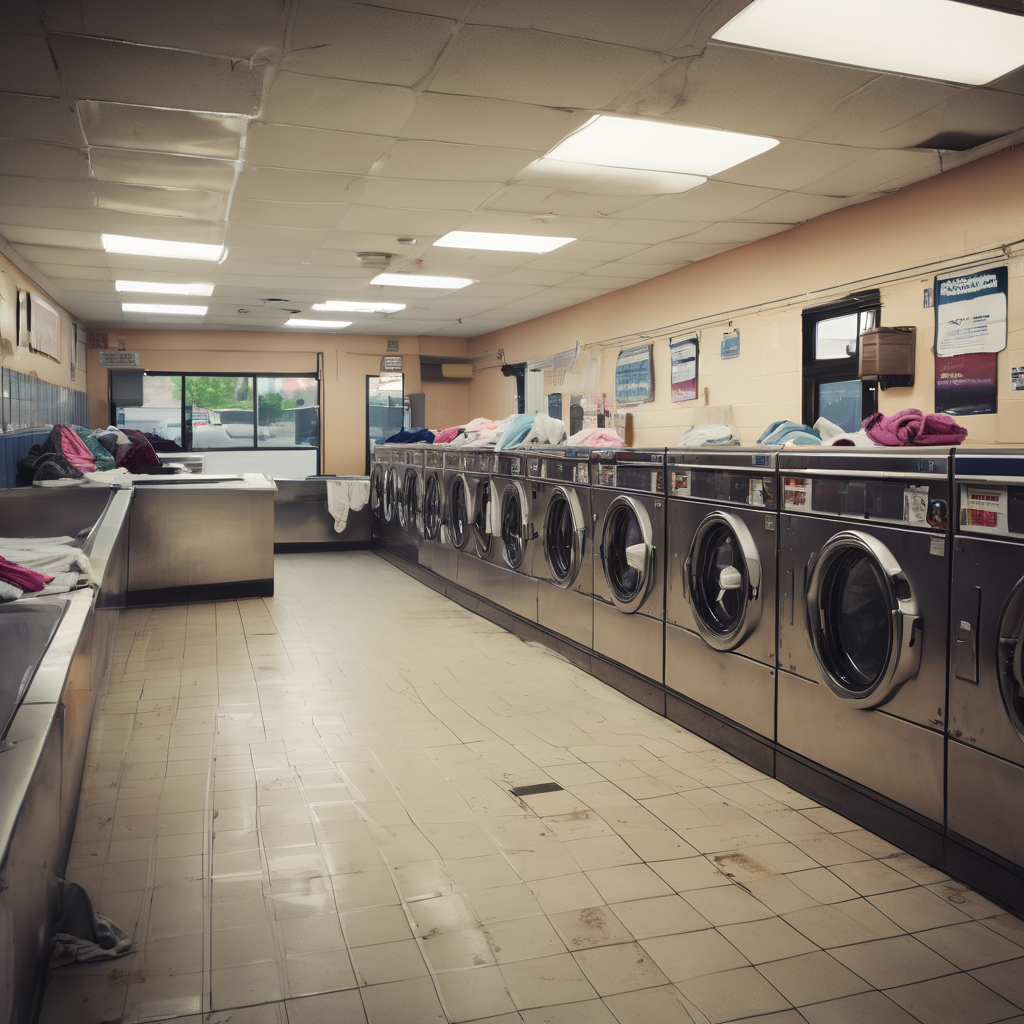
Walking through any major city, it's hard to miss the colorful signs of a nearby laundromat buzzing with activity.
They're nearly everywhere—and there's a good reason for that.
The Urban Reality: Limited Space and Convenience
In densely populated urban areas, space is a premium commodity.
Most apartments, especially in older buildings, don't come with in-unit washers and dryers.
This makes owning personal laundry machines a luxury not everyone can afford or install.
As a result, laundromats fill a critical gap in meeting everyday needs for millions of city dwellers.
Whether it’s a college student, a working parent, or a retiree, laundromats offer a practical solution where residential laundry options fall short.
Why Laundry Appliances Aren’t Always an Option
- Not all buildings have the plumbing or electrical setup for washers and dryers.
- City apartments usually have very limited square footage.
- Old infrastructure makes major appliance installation cost-prohibitive or unfeasible.
In such cases, local laundromats become essential for weekly routines.
Affordability and Accessibility
Laundromats are financially accessible to a broader population than owning machines would be.
Purchasing a washer and dryer can cost several hundred to thousands of dollars.
In contrast, self-service laundromats allow users to pay per load, offering more budget flexibility.
Many people, particularly renters and short-term residents, prefer this model.
It avoids large upfront investments and eliminates worries about maintenance costs or repairs.
Serving Diverse Communities
Laundromats in cities serve an exceptionally diverse range of customers.
These include immigrants, tourists staying in Airbnbs, young professionals, and students.
This diversity helps explain why there’s such high demand in urban neighborhoods.
- Multifamily households often need large-capacity machines.
- Temporary city residents avoid committing to appliance purchases.
- Increased move-in/move-out activity sustains laundromat usage year-round.
Time-Saving and Multi-Tasking for Busy Lifestyles
City life is fast-paced, and laundromats help align laundry with busy schedules.
Self-service laundromats offer large, commercial-grade machines that can handle big loads quickly.
This allows customers to complete multiple loads in under an hour.
[Many laundromats also offer free Wi-Fi, coffee bars, or seating areas for multitasking](#).It’s not uncommon to see people working on laptops, reading, or chatting while doing laundry.
This dual-function environment makes laundromats more than just service points—they’re community hubs.
The Rise of Full-Service Options
Busy professionals often use wash-and-fold services or schedule pickup and delivery laundry services.
These upgraded offerings are especially popular in cities due to time constraints and convenience culture.
Modern laundromats that provide these services thrive in competitive urban markets by offering full convenience.
Case Study: How Laundromats Support Urban Living
In 2018, a laundromat owner in Brooklyn, NY, shared insights about their regular customer base.
Over 70% were renters living in walk-up apartments with no building laundry room.
Of the remaining customers, many shared a communal laundry room but still preferred laundromats for speed and machine availability.
One customer, a local teacher, explained how having to share a single washer with 14 other tenants often meant waiting days to do laundry.
That’s why she turned to her nearest laundromat where she could complete laundry in just one visit on Saturday mornings.
Another customer, a rideshare driver, relied on the 24/7 laundromat nearby to wash his uniforms during off-hours.
For him, flexibility was key—and city laundromats provided exactly that.
In vibrant neighborhoods like Harlem, Silver Lake in Los Angeles, and Logan Square in Chicago, this dynamic repeats all over.
Laundromats open doors for better time management, affordable services, and critical convenience.
The Proximity Factor
In urban planning models, laundromats are often classified as “essential sidewalk services.”
This means they’re strategically placed in high-foot-traffic areas like near supermarkets, bus stops, or subway lines.
People can combine errands, like grabbing groceries and doing laundry in the same time block.
According to market studies in San Francisco and Chicago, convenience of location remains a top driver for laundromat selection.
Some residents even choose their apartments based on proximity to a clean, well-managed laundromat.
Laundromats and Local Economies
Besides helping individuals, they play a big role in supporting local economies too.
Many family-owned laundromats hire local staff and often work with nearby businesses or co-host services like tailoring or dry cleaning.
They can even enhance the image of a commercial block by providing consistent foot traffic and safety visibility at night.
This makes laundromats important not just for living convenience but for urban economic ecosystems.
Environmental Advantages and Sustainability Trends
City residents are increasingly eco-conscious, and so are modern laundromats.
Many urban laundromats have begun using high-efficiency machines that consume less water and energy.
This is a big plus compared to old or inefficient in-unit machines that can waste resources.
Some even participate in environmentally supportive practices like:
- Biodegradable detergent dispensers.
- Solar-powered systems or LED lighting.
- Recycling initiatives for hangers or plastic bags.
In cities like Seattle and Boston, eco-conscious laundromats are a major draw for young professionals who align values with services.
It’s part of the broader shift toward responsible consumerism in urban living.
Frequently Asked Questions
Why are laundromats still relevant in 2024?
Despite technological advances, laundromats continue serving core needs in high-density areas where private laundry remains impractical.
Do laundromats make good business in cities?
Yes. Their consistent demand, diverse clientele, and community role make city laundromats a resilient business model.
Is laundromat usage seasonal?
City-based laundromats rarely experience heavy fluctuations, as laundry is a year-round necessity.
However, they may see minor upticks during school semesters or apartment move-ins.
Are coin laundromats still common?
While some still rely on coins, many upgraded urban laundromats now use card systems or app-based payment technologies.
This digital convenience aligns with other mobile-driven city services.
What’s the future of urban laundromats?
Smart technology, contactless transactions, and even AI-based scheduling are shaping the next chapter.
Laundromats are evolving into tech-enabled lifestyle services rather than just utility zones.
Those that adapt will continue thriving in urban cores.
In summary, laundromats aren’t just a relic of convenience—they're a vital part of the urban experience.
As city populations grow and rental living expands, laundromats will remain essential for clean clothes, saved time, and smarter living.
Browse laundromats by state and city to find a convenient option nearby.
Leave a Reply
Relacionado