
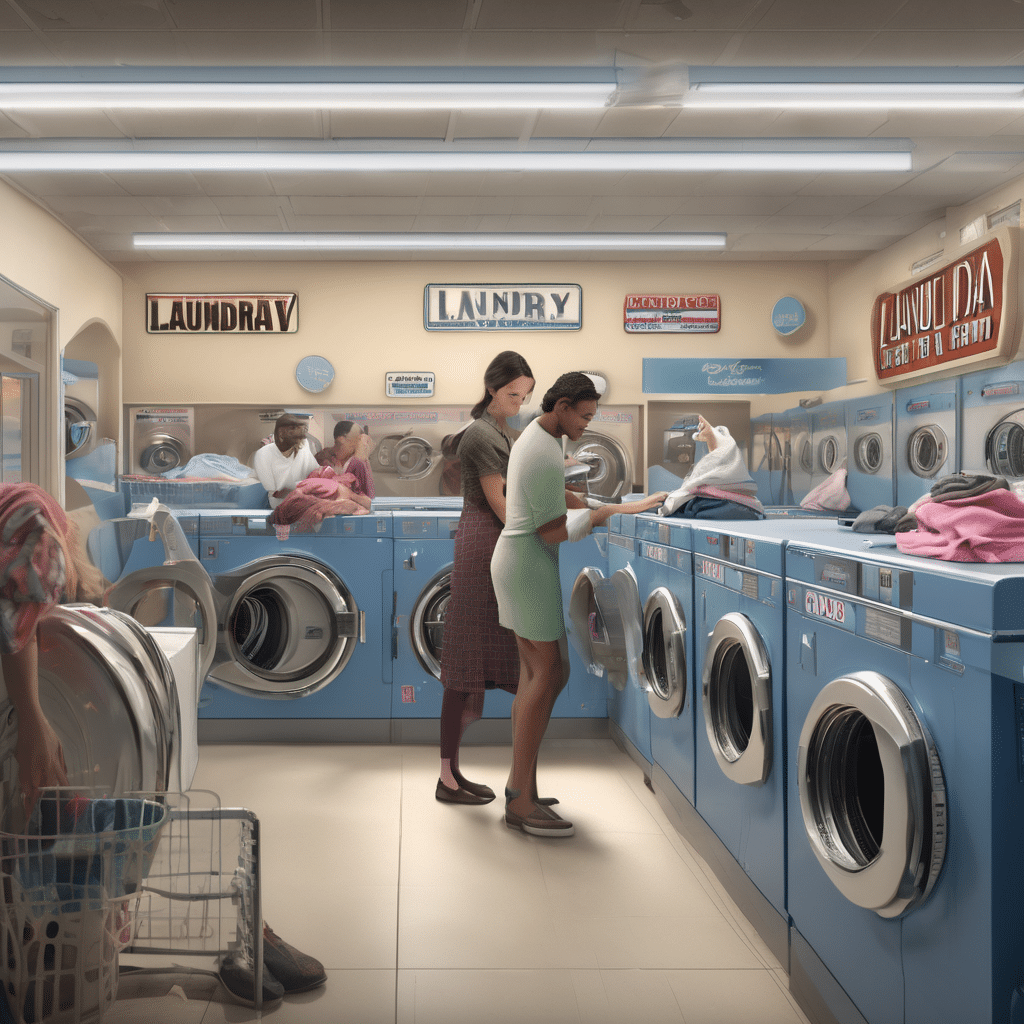
When you're doing laundry, you might wonder if some simple home remedies can save the day. Vinegar often appears in discussions as a versatile solution. But can you use vinegar in a laundromat washing machine? Let’s delve into this popular topic and discover if this household staple is suitable for your commercial laundry needs.
The Power of Vinegar in Laundry
Vinegar is renowned for its cleaning abilities. This common kitchen ingredient is celebrated because it is both effective and environmentally friendly. It can tackle odors, stains, and even soften clothes. With such benefits, incorporating vinegar into the laundry routine can seem tempting. But how does it fare in a laundromat setting?
To compare local self-service options, browse coin laundromats in the directory.
Why Use Vinegar?
Vinegar, particularly white distilled vinegar, is loved because it’s multifaceted. Here are some compelling reasons to use vinegar in your laundry:
For detergent, stain and fabric-care guidance, see clothes still wet after a laundromat spin cycle and what to bring with you to a laundromat.
- Neutralizes Odors: It acts as a natural deodorizer, perfect for keeping clothes smelling fresh.
- Stain Removal: Vinegar's acetic acid can help break down and lift stains from fabric.
- Fabric Softener: It can soften clothes without the need for chemical-laden commercial softeners.
- Reduces Lint and Pet Hair: Vinegar can help reduce the static which can attract lint and hair.
As amazing as it sounds, you should approach using vinegar carefully, especially in laundromat settings.
Can Vinegar Harm Washing Machines?
The question of whether vinegar can damage machines often arises. Generally, vinegar is considered safe for home washing machines in recommended amounts. But what about those heavy-duty machines found in laundromats?
Insights on Laundromat Machines
Laundromat machines are designed to handle more significant loads and are heavily used compared to home units. These industrial-grade machines can sometimes experience stress from multiple, varied uses. While vinegar should not be harmful in moderate amounts, it’s crucial to follow some precautions:
- Avoid Overuse: Too much vinegar could potentially harm the rubber seals and hoses over time.
- Testing First: Always try a small, controlled amount on machines if it's your first time.
- Machine Maintenance: Regular cleaning and maintenance of machines will prevent unexpected issues.
In laundromats, ensuring proper handling of supplies is essential for equipment longevity.
Ideal Uses of Vinegar in Laundry
While considering using vinegar in a laundromat setting, you should be informed when it shines brightest. Employing vinegar at strategic points in washing can optimize results.
Practical Application of Vinegar
Vinegar can be a versatile solution, but it’s essential to know when and how to use it effectively. Here’s how you can integrate it safely:
- During Rinse Cycle: Add half a cup of vinegar in the rinse cycle to ensure clothes come out fresh and soft.
- Pre-Treatment: Soak stains with vinegar before the wash for better stain removal.
- Machine Cleaning: Run an empty load with one cup of vinegar to help clean and deodorize the machine.
Integrating vinegar into these steps guarantees you harness its full potential without risking machine damage.
Surprising Uses and Tips
In laundromats, where efficiency is key, some stories perfectly encapsulate the anecdotal power of vinegar. Allow me to share one such event.
Imagine a busy laundromat, bustling with customers eager to finish their laundry routines quickly. A frequent visitor, Jane, walks in with her athletic son’s sports gear, notorious for carrying lingering odors. No solution has seemed to work so far. Feeling adventurous, she opts to try vinegar based on recommendations. She carefully introduces a measured half-cup into the rinse cycle, keeping a watchful eye on her strategy.
Later, as the washer finishes and clothes move to the dryer, Jane notices something remarkable. The usual overpowering smell is gone, replaced by a subtle, fresh aroma. Her son’s gear feels cleaner, and the freshness accompanies them home. Thanks to vinegar, Jane becomes a regular enthusiast, sharing her story with others at the laundromat. It becomes a community tale about effective laundering without reliance on harsh detergents.
This simple anecdote demonstrates that vinegar, while simple, is a robust tool for challenging laundry needs.
Understanding these uses and potential limitations ensures you maximize the benefits of this household staple.
Alternative Solutions and Considerations
While vinegar can be helpful, exploring alternatives is beneficial. In doing laundry, some find they need varied solutions based on different clothing requirements.
Exploring Other Options
If vinegar doesn't fit every scenario, here are alternative enhancers for fabric care:
- Baking Soda: Another natural deodorizer that works well alongside vinegar.
- Essential Oils: A few drops in the rinse cycle can add a pleasant fragrance.
- Commercial Softening Agents: Opt for eco-friendly brands to maintain a similar effect to vinegar minus potential drawbacks.
Weigh these alternatives based on specific needs, allergen sensitivity, and personal preferences.
As you determine what’s best for your laundry, keeping flexibility in your choices can improve outcomes.
In the end, laundromat patrons are looking for solutions that are efficient, cost-effective, and environmentally friendly. Vinegar can certainly be a part of this toolbox.
In summary, vinegar offers multiple benefits when used properly in laundromat settings. Its capabilities in deodorizing, softening, and stain-fighting are renowned. However, attention must be paid to usage amounts and machine specifications. Be informed, stay attentive to machine conditions, and enjoy the balance of powerful yet gentle laundry care solutions.
Leave a Reply
Related