
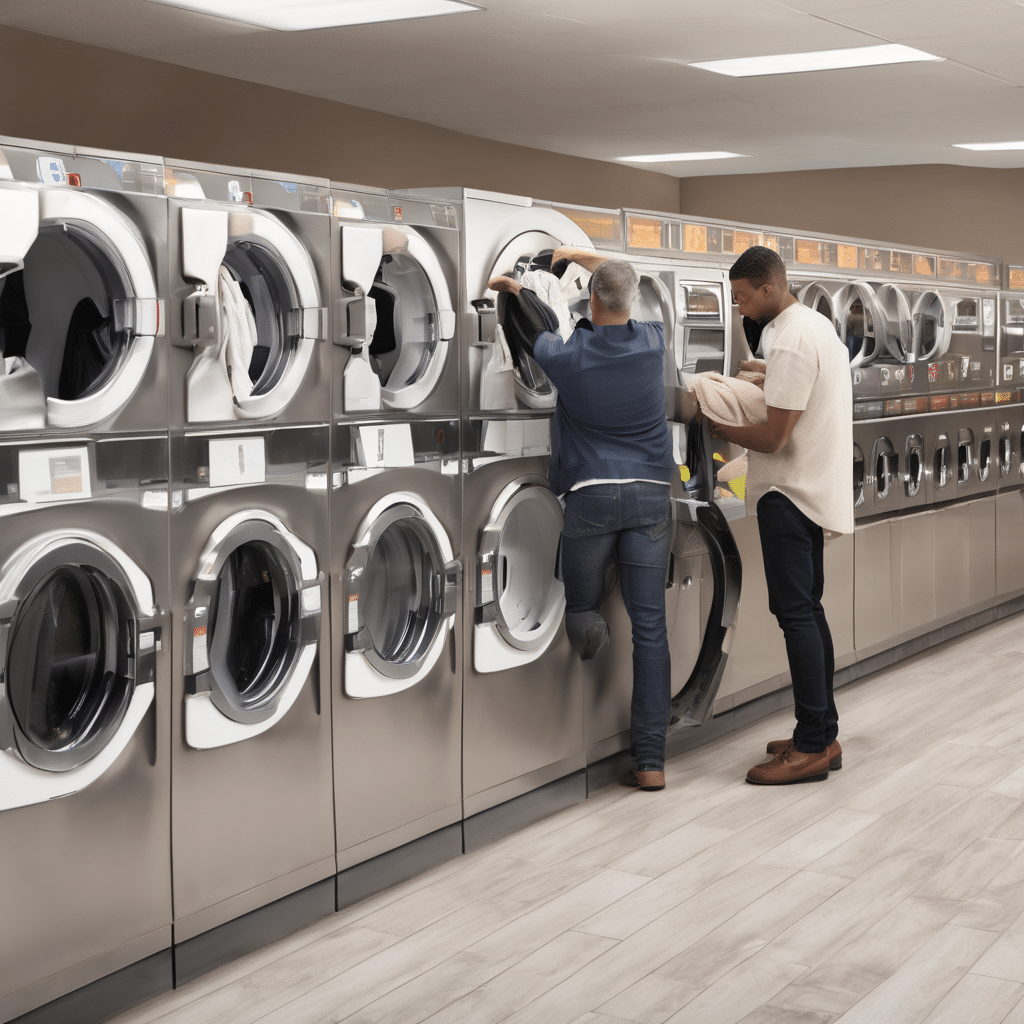
In the vibrant world of laundromats and dry cleaners across the US, businesses today face an essential decision: choosing between laundry cards and coins as a payment system. Both systems offer unique advantages and challenges, and understanding these can significantly affect a business's success.
The Evolution of Payment Systems
Decades ago, coins were the dominant payment method in laundromats. This was an era when simplicity ruled. Customers didn't need much technology or understanding to drop a few quarters into a machine and start their laundry. However, as technology advanced, so did expectations.
To find locations that match your preferred payment setup, browse coin laundromats in the directory.
From Quarters to Cards
As society progressively leaned toward cashless transactions, laundromats began exploring alternatives. Here entered the laundry card system, which offered a more modern, streamlined approach.
For payment methods, refunds and machine issues, see laundromat payment apps safe to use and laundromats accept apple pay or google pay.
- Customers load funds onto a card using cash or credit.
- The card is swiped at machines instead of feeding in coins.
- This system eliminated the need for carrying masses of coins.
This evolution didn't just cater to convenience. It paved the way for enhanced operational efficiency and customer satisfaction.
Advantages of Laundry Cards
Laundry cards bring their own set of benefits to both business owners and customers. Convenience, efficiency, and enhanced experiences are central to their appeal.
Enhanced Customer Experience
Customers enjoy a smoother and quicker process with laundry cards. They don't need to scramble for change or worry about machines jamming with coins.
Moreover, laundry cards can often be reloaded remotely, offering unrivaled ease.
Operational Efficiency
Business owners benefit from reduced maintenance. Coin-operated machines require regular emptying and maintenance checks, whereas card-operated systems significantly reduce these demands.
This leads to more straightforward operations and less downtime.
- Less wear and tear on machines.
- Reduced risk of theft and loss of revenues.
- Simplified accounting processes.
Challenges of Laundry Card Systems
Despite their many advantages, laundry card systems aren't without their challenges. They can sometimes present potential barriers to some customers and require an initial investment to set up.
Initial Setup Costs
Implementing a laundry card system comes with higher upfront costs. Businesses need to install card readers and integrate software, which requires a substantial investment.
The initial setup, however, is often offset by operational savings over time.
Technical Dependence
Another challenge is the dependency on technology. Systems can occasionally falter, causing potential disruptions.
Technical malfunctions can lead to customer dissatisfaction if not swiftly addressed.
Furthermore, not all customers are tech-savvy, which could alienate part of the clientele.
Advantages of Coin-Operated Systems
For many, coins still represent an uncomplicated and effective system. They work well in certain environments and appeal to a traditional clientele.
Simplicity and Accessibility
Coins are straightforward, and everyone knows how to use them. They're accessible to everyone without requiring any technological adaptations.
Customers don’t need to learn a new system or worry about losing a card.
No Technical Hiccups
Coin systems are generally low-tech, meaning fewer opportunities for technical issues. This can be an advantage in areas with less reliable power or internet access.
Maintenance is also simpler, focusing mainly on mechanical challenges rather than software bugs.
Challenges of Coin-Operated Systems
While they are straightforward, coin-operated systems come with their own set of challenges that laundromat owners need to consider.
Maintenance Demands
Machines can jam or wear over time due to the physical strain of handling coins.
This often leads to increased maintenance needs and potential downtime, impacting customer satisfaction.
Security Concerns
Handling coins also means handling cash, which poses security risks. Businesses need to establish strong measures to minimize theft or fraud.
Real-World Insights
A laundromat owner in New York shared their experience transitioning from coins to a card system. Initially, they faced backlash from regular customers who were accustomed to coins. However, within a few months, the improved efficiency and reduced queue times won over patrons, leading to an increase in returning customers.
They noticed a marked reduction in machine maintenance issues and less time spent on the physical management of coins. The transition highlighted an initial learning curve but ultimately provided a more scalable business model.
Case Studies
Conversely, laundromats in rural areas have reported success with maintaining coin systems. The clientele, often wary of technology, appreciates the simplicity and low cost associated with coin operations.
- Less investment in technology reduces financial risk.
- Easy adaptation for clienteles resistant to change.
This dichotomy displays how regional and demographic factors can influence the effectiveness of different systems.
Making the Right Choice for Your Business
In making the decision between laundry cards and coins, owners should consider various factors. Each system aligns with different business models and clientele expectations.
Clientele Preferences
Consider the demographic your laundromat serves. Are your customers tech-savvy and open to change, or do they prefer traditional methods?
This insight can guide you towards a system that aligns with customer expectations, helping enhance their overall experience.
Investing in the Future
While laundry cards may require a notable initial investment, their long-term benefits can lead to significant cost savings and client satisfaction. Analyzing these factors within the larger scope of your business strategy is vital.
On the other hand, coins might be appropriate for businesses looking to maintain simplicity and accessibility without the need for extensive technological integration.
Consider your financial capacity for investment and tolerance for technological systems.
Finally, whether opting for laundry cards or sticking with coins, understanding the unique needs and behaviors of your local community plays a crucial role in making an informed decision.
In summary, while both systems have their pros and cons, aligning them with your business goals and customer preferences can lead to improved operational efficiency and customer satisfaction. Choosing wisely means not only supporting your business's current needs but also paving the way for future adaptability and growth.
Leave a Reply
Related